Exploring the Types of Tax Audits in Japan
Tax audits are an important process to verify whether taxpayers are complying with tax laws. This article provides a detailed explanation of the main types of tax audits in Japan and their characteristics.
Basics of Tax Audits
Tax audits are generally divided into three main types: Regular Audits, Simplified Audits, and Special Audits. Each of these audits has different purposes and methods to evaluate how taxpayers comply with tax laws.Regular AuditSimplified AuditSpecial Audit
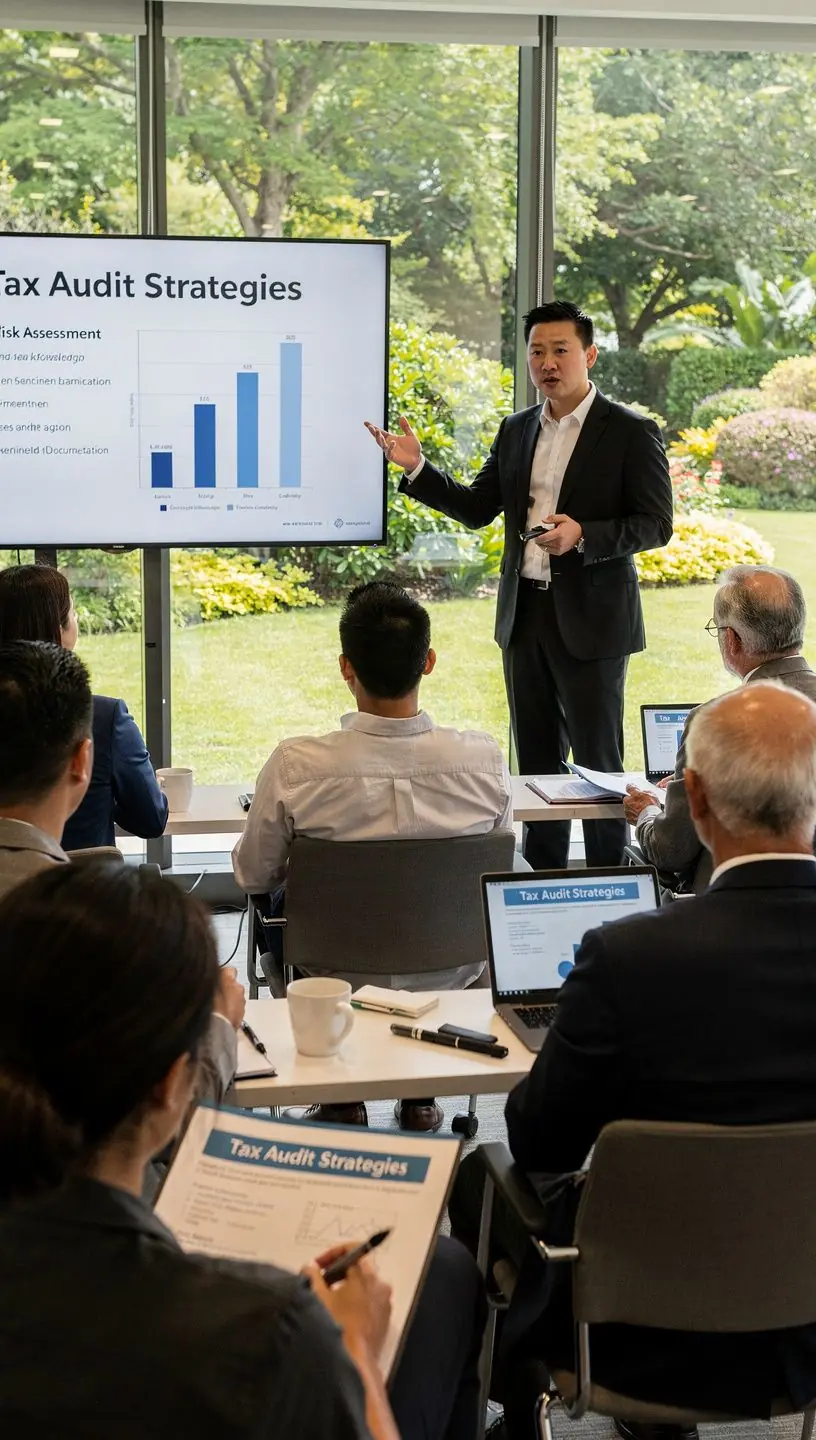
"Tax audits are an important means to verify whether taxpayers are paying their taxes correctly."
Main Types of Tax Audits
Regular Audit
Regular audits review overall financial information and check whether the taxpayer's declarations are correct. According to the National Tax Agency, regular audits are conducted on about 5% of taxpayers each year.
Simplified Audit
Simplified audits are less intensive than regular audits and are based on specific information or documents. Typically, simplified audits are chosen for specific reasons, and the audit duration is usually 1 to 2 weeks.
Special Audit
Special audits are conducted when there are specific tax issues or suspicions of fraud. This type of audit is more stringent than the regular process and may require taxpayers to provide additional evidence.
The Process of Tax Audits
The tax audit process includes the following steps:
- Receiving Audit Notification: Taxpayers are notified of the audit.
- Submitting Information: Taxpayers must submit the requested documents.
- Conducting the Audit: Tax office staff review the information and may request additional information as needed.
- Notifying Audit Results: Results are communicated, and corrections may be instructed if necessary.
Points to Note When Undergoing a Tax Audit
To prepare for a tax audit, it is important to keep the following points in mind:
- Organizing Documents: It is recommended to organize necessary documents so they can be submitted promptly.
- Expert Support: Consulting with professionals such as tax accountants can help the audit process proceed smoothly.
- Maintaining Transparency: Accurate and honest information provision is required. This helps build trust.
Conclusion
Tax audits in Japan are an important process to verify taxpayers' compliance with tax laws. By understanding the types and processes of audits, taxpayers can better prepare and reduce stress when undergoing audits. While tax audits are generally complex, obtaining support from professionals can help manage them with confidence.